Introduction
Every space in a home functions differently—and tiles should reflect that. The tile that works perfectly in a living room may fail in a bathroom or outdoor area. Yet many homeowners choose one tile style for the entire house and face issues later.
This guide explains how to choose the best tiles for bathrooms, kitchens, living rooms, and outdoor spaces, based on durability, safety, maintenance, and long-term performance—not just looks.
Best Tiles for Bathrooms
Bathrooms are exposed to constant moisture, making tile choice critical.
Bathroom Floor Tiles
Recommended features
-
Anti-skid surface
-
Low water absorption
-
High durability
Best materials
-
Porcelain tiles
-
Vitrified tiles with matte finish
Color guidance
-
Medium tones reduce visible stains
-
Avoid pure white on floors for high-use bathrooms
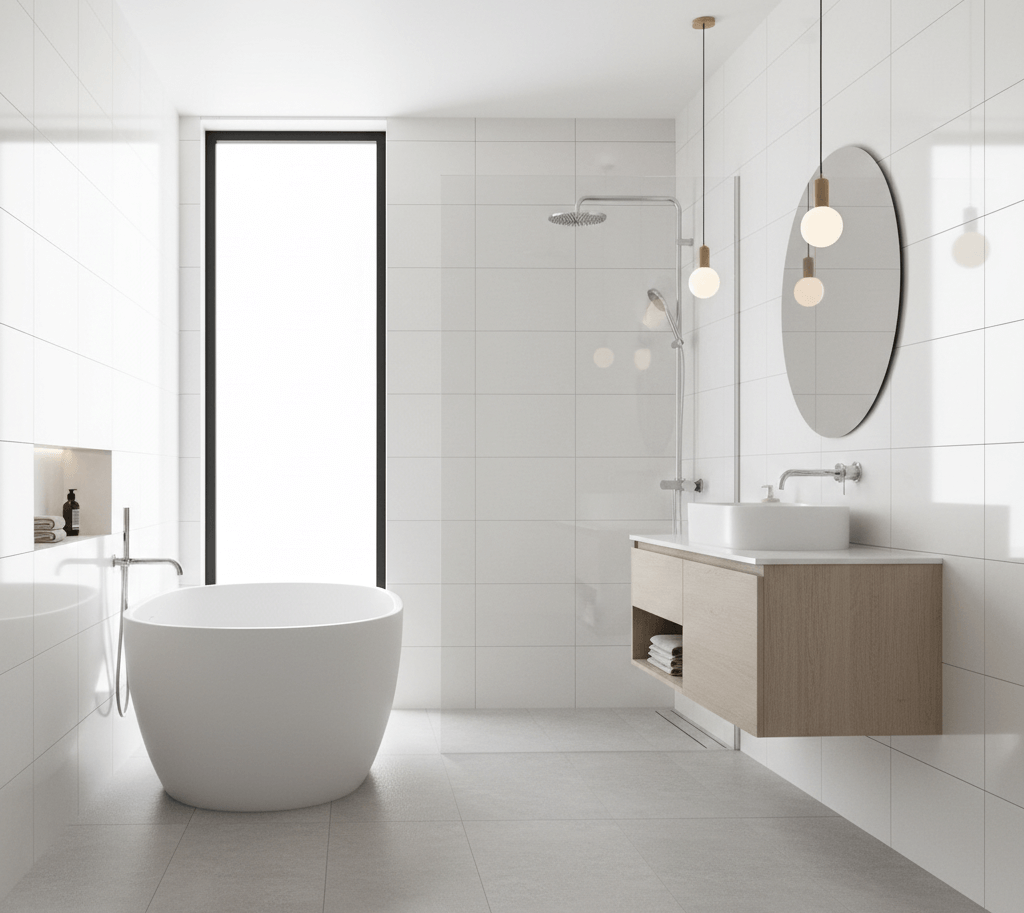
Bathroom Wall Tiles
Wall tiles focus more on design and easy cleaning.
Best options
-
Glossy ceramic tiles
-
Satin-finish porcelain tiles
-
Light shades to enhance brightness
Feature walls can be added, but subtle patterns age better than bold designs.
Best Tiles for Kitchens
Kitchens demand tiles that can handle spills, heat, and frequent cleaning.
Kitchen Floor Tiles
Ideal characteristics
-
Scratch-resistant surface
-
Matte or satin finish
-
Easy stain removal
Best choices
-
Porcelain tiles
-
Heavy-duty vitrified tiles
Avoid highly polished tiles—they show stains and scratches quickly.
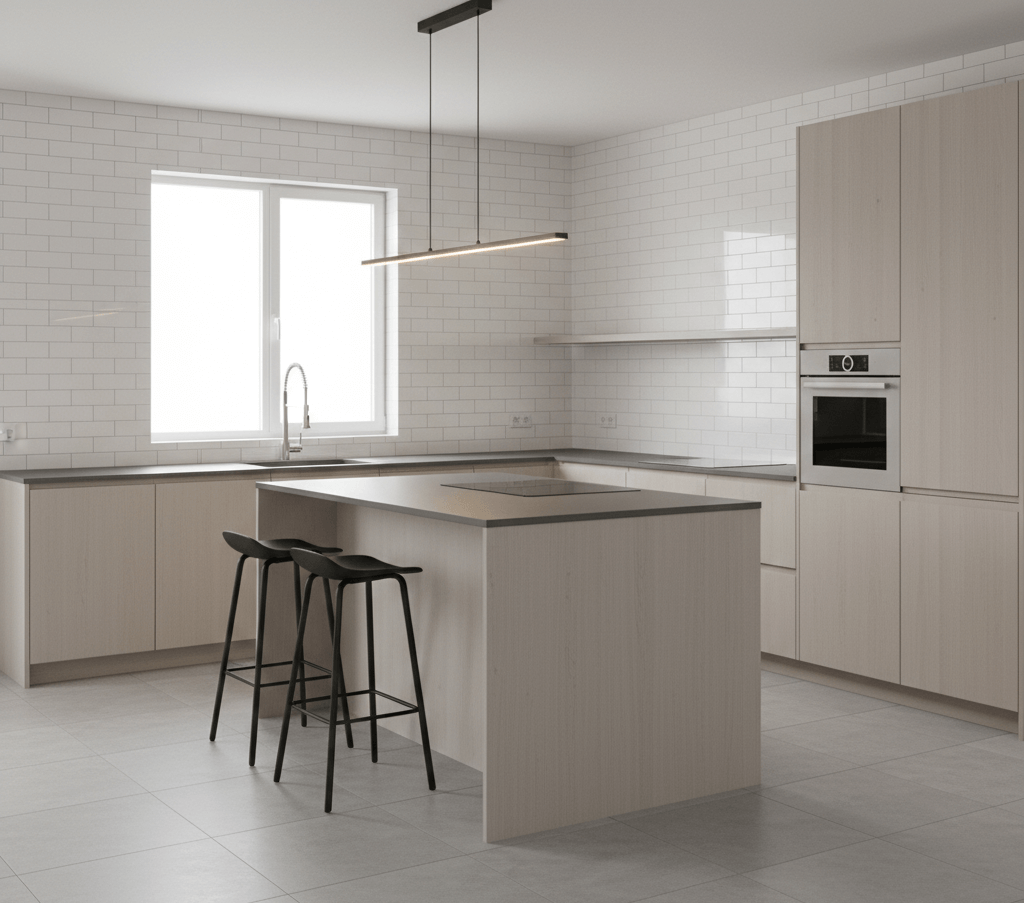
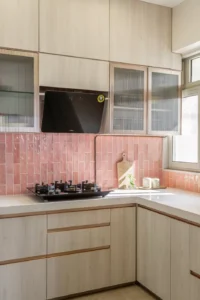
Kitchen Wall & Backsplash Tiles
Recommended
-
Glossy ceramic tiles
-
Simple patterns or vertical layouts
-
Neutral or earthy tones
Textured tiles may look appealing but are harder to clean near cooking areas.
Best Tiles for Living Rooms
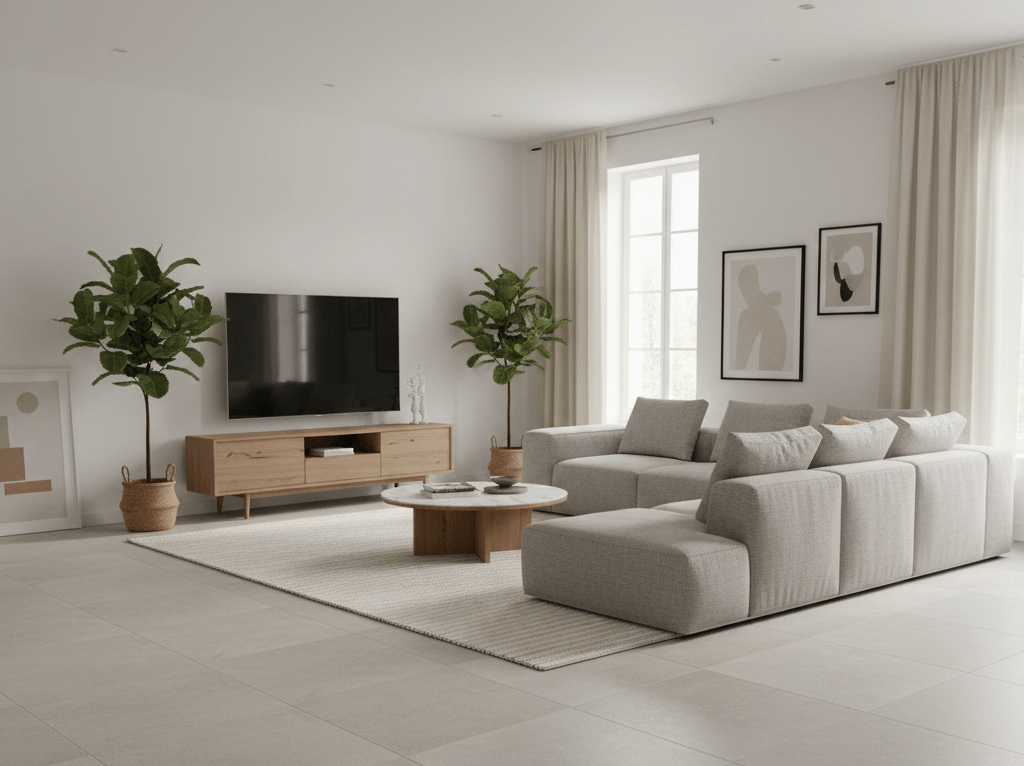
Living rooms require tiles that feel welcoming while handling daily foot traffic.
Flooring Recommendations
Best materials
-
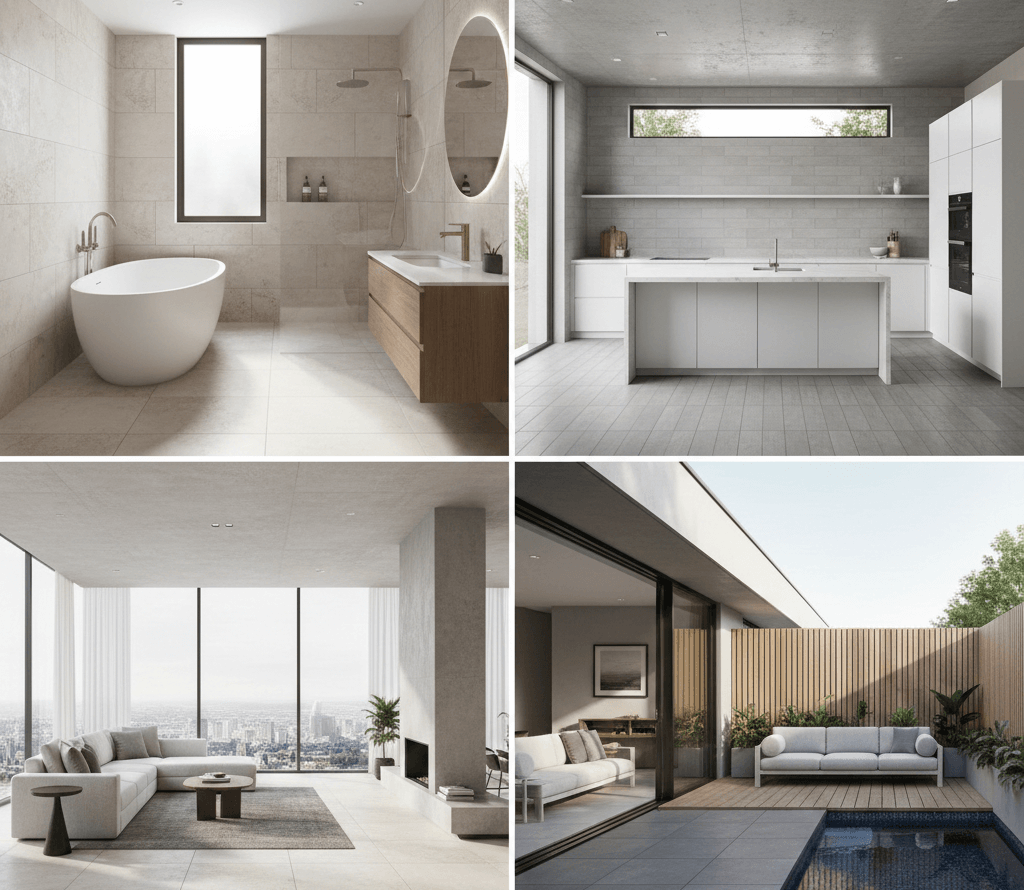
Large-format porcelain tiles
-
Marble-look or concrete-look tiles
Best finishes
-
Satin or soft matte
Design tips
-
Larger tiles create a seamless, spacious feel
-
Neutral shades provide flexibility with furniture and decor
Best Tiles for Bedrooms
Tiles in bedrooms are practical, hygienic, and long-lasting when chosen correctly.
Suitable Options
-
Wood-look porcelain tiles
-
Matte finish for reduced glare
-
Warm, calming color palettes
Rugs can be added for comfort without compromising easy maintenance.
Best Tiles for Balconies & Outdoor Areas
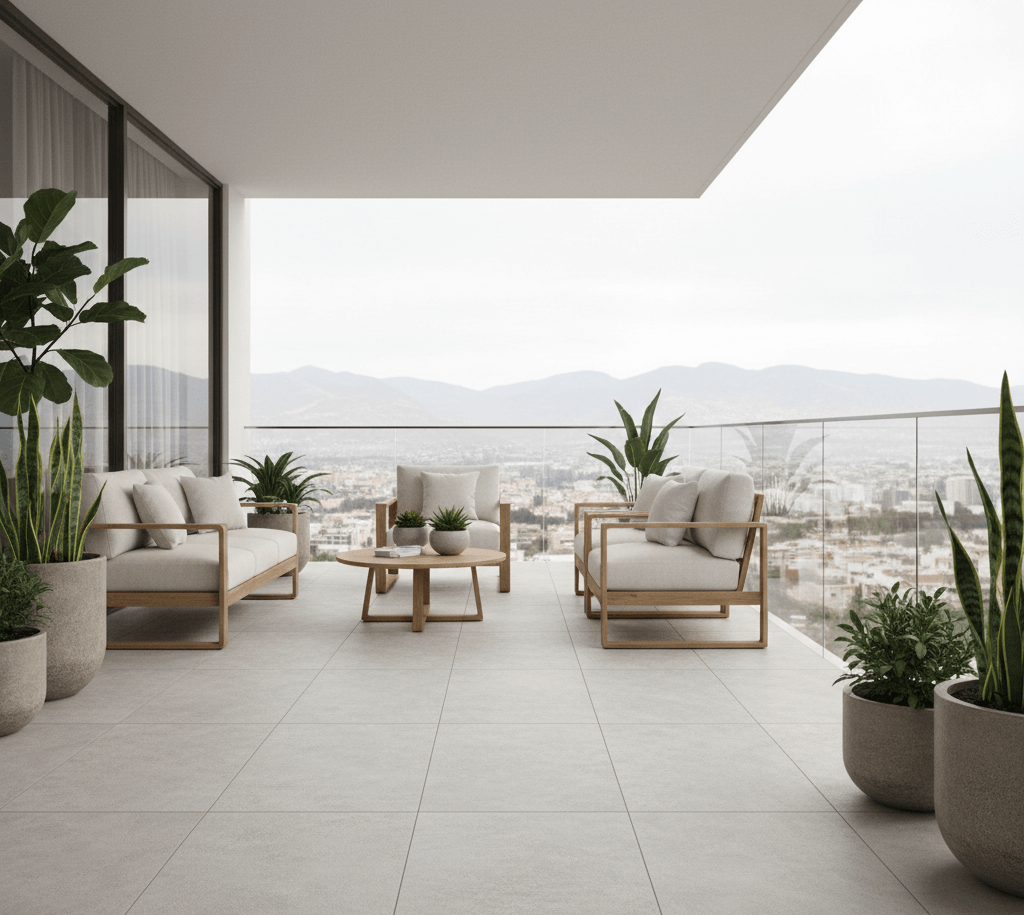
Outdoor spaces face weather changes, dust, and moisture.
Must-Have Features
-
Anti-skid texture
-
Weather resistance
-
Strong surface grip
Recommended Materials
-
Outdoor-rated porcelain tiles
-
Stone-look or concrete-finish tiles
Avoid glossy finishes outdoors—they become slippery and unsafe.
Wall Tiles vs Floor Tiles: Key Differences
| Feature | Wall Tiles | Floor Tiles |
|---|---|---|
| Thickness | Thinner | Thicker |
| Strength | Lower | High |
| Slip Resistance | Not required | Essential |
| Usage | Vertical surfaces | Walking surfaces |
Never use wall tiles on floors—they are not designed to handle load.
Tile Selection Mistakes to Avoid
-
Using indoor tiles outdoors
-
Ignoring slip resistance in wet areas
-
Choosing tiles based only on appearance
-
Not planning grout color and width
-
Overusing dark tiles in low-light rooms
Final Thoughts
The best tiles are those that match the function of each space while supporting your lifestyle and maintenance habits.
Instead of choosing one tile for the entire home, selecting tiles room by room leads to:
-
Better durability
-
Improved safety
-
Longer-lasting results
At Tileskraft, tile selection is guided by how spaces are used—not just how they look on day one.
FAQs
Which tiles are best for bathroom floors?
Matte or anti-skid porcelain tiles are best due to safety and water resistance.
What tiles are best for kitchen floors?
Porcelain or vitrified tiles with scratch-resistant matte finishes work best.
Are outdoor tiles different from indoor tiles?
Yes. Outdoor tiles are thicker, textured, and designed to withstand weather conditions.
Can the same tile be used in all rooms?
It is not recommended. Each area has different functional requirements.