How to Choose the Perfect Tiles for Your Home in 2026: A Practical Room-by-Room Guide
Introduction
Choosing tiles for your home is no longer just about color or pattern. In 2026, tiles play a major role in how a space performs—how safe it feels, how easy it is to maintain, and how well it holds up over time.
With hundreds of options available today, many homeowners make decisions based on appearance alone and regret it later. The right tile should match your lifestyle, not just your mood board.
This guide breaks tile selection down room by room, helping you choose tiles that look good, last longer, and make sense for everyday living.
What to Consider Before Choosing Any Tile
Before focusing on individual rooms, every tile decision should start with these basics.
Tile Material
-
Ceramic tiles
Suitable for walls and low-traffic areas. Easy to install and cost-effective. -
Porcelain tiles
Denser and less porous. Ideal for floors, bathrooms, kitchens, and outdoor spaces. -
Vitrified tiles
Highly durable, stain-resistant, and low maintenance. Well suited for Indian homes. -
Natural stone tiles
Premium look but require sealing and regular maintenance.
Finish Matters
-
Matte finish – Better grip, hides scratches and water marks
-
Glossy finish – Reflects light, easy to clean, best for walls
-
Textured finish – Ideal for wet or outdoor areas
Best Tiles for Bathrooms
Bathrooms are high-moisture zones, so tile performance matters more than appearance.
Bathroom Floor Tiles
-
Always choose anti-skid or matte tiles
-
Porcelain tiles are preferred due to low water absorption
-
Medium shades hide stains better than pure white
Bathroom Wall Tiles
-
Glossy or satin finishes work well
-
Light colors make small bathrooms feel larger
-
Feature walls can add interest without overpowering the space
Avoid: Polished tiles on floors—they become slippery when wet.
Best Tiles for Kitchens
Kitchens experience heat, spills, stains, and constant use.
Kitchen Floor Tiles
-
Porcelain or vitrified tiles with scratch resistance
-
Matte or satin finish for safety
-
Neutral or darker shades for easy maintenance
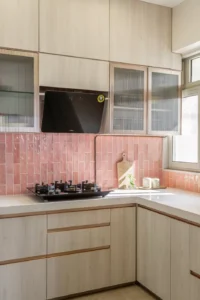
Kitchen Wall & Backsplash Tiles
-
Glossy ceramic tiles for easy cleaning
-
Simple patterns or vertical layouts are trending in 2026
-
Avoid heavily textured surfaces behind stoves
Best Tiles for Living Rooms
Living rooms benefit from tiles that balance elegance and durability.
Recommended Options
-
Large-format porcelain tiles
-
Marble-look or concrete-finish tiles
-
Neutral tones like beige, grey, or warm white
Size & Layout Tips
-
Larger tiles reduce grout lines and feel more seamless
-
Straight or staggered layouts age better than complex patterns
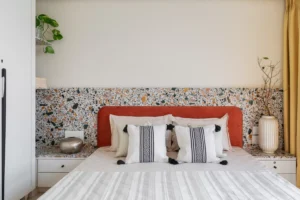
Best Tiles for Bedrooms
Tiles in bedrooms are increasingly popular due to hygiene and easy upkeep.
Ideal Choices
-
Wood-look tiles for warmth
-
Matte finishes to reduce glare
-
Soft, neutral colors for a calm feel
Adding rugs provides comfort without compromising cleanliness.
Best Tiles for Balconies & Outdoor Areas
Outdoor tiles must handle weather changes and moisture.
What to Look For
-
Anti-skid surface
-
Weather-resistant material
-
Textured finish for grip
Best Materials
-
Outdoor-rated porcelain tiles
-
Stone-look or concrete-finish tiles
Tile Trends in 2026 (Worth Following)
-
Large-format tiles with minimal grout
-
Natural textures inspired by stone and concrete
-
Warm neutral color palettes
-
Subtle surface textures instead of bold prints
Trends should enhance functionality—not replace it.
Common Tile Selection Mistakes
-
Choosing tiles based only on showroom appearance
-
Ignoring slip resistance in wet areas
-
Using wall tiles on floors
-
Overusing dark tiles in poorly lit rooms
-
Not planning grout color in advance
Final Thoughts
Choosing the right tiles is about understanding how each space is used and selecting materials that support that use over time.
When unsure:
-
Prioritize durability over decoration
-
Match finishes to maintenance habits
-
Seek professional guidance before finalizing
At Tileskraft, tile selection focuses on long-term performance, not short-term trends.
FAQs
Which tiles are best for Indian homes?
Porcelain and vitrified tiles are ideal due to durability, low water absorption, and minimal maintenance.
Are large tiles better than small tiles?
Large tiles reduce grout lines and create a cleaner look, while small tiles work better in compact or detailed areas.
Can the same tile be used on walls and floors?
Only if the tile is rated for flooring. Wall tiles are thinner and not designed for foot traffic.
How do I choose the right tile finish?
Matte finishes are safer for floors, while glossy finishes work best for walls and low-traffic areas.